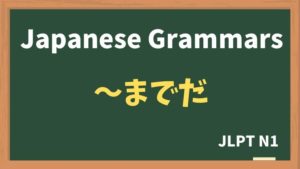
Explanation:〜たまでだ / 〜たまでのことだ
fa-check-circleMeaning
"ただ〜しただけだ / ただ〜しただけのことだ"
特に理由はなく、ただ〜しただけと言いたい時に使う。
"I just did ~" / "I did ~ just because"
Used to indicate that an action was taken with no special intent or deeper reason behind it. It conveys that something was done simply because there was no alternative, or that the action taken was not done for any significant or meaningful reason. The speaker uses this to downplay the importance of the action.
fa-check-circleForm
V(ta form)+ までだ / までのことだ
fa-check-circlePoints
- No Special Reason/Intent: "〜たまでだ" expresses that the action was taken casually, without any particular purpose, or simply because the situation demanded it.
- Downplaying Importance: This phrase is often used when the speaker wants to minimize the significance of what they did, showing that it wasn't a big deal or there wasn’t a deeper motivation behind it.
- Neutral Explanation: It serves as a neutral or modest explanation of why something was done.
fa-check-circleJLPT Level
N1
Sample sentenes
お礼なんていりませんよ。人として正しいことをしたまでです。
No need for thanks. I just did what is right as a human being.
なんで僕が責められなきゃいけないんだよ。本当のことを言ったまでじゃないか。
Why should I be blamed? I just told the truth.
私は聞いた話をそのまま伝えたまでのことだ。
I just conveyed the information as I heard it.
警察に質問されたので、本当のことを話したまでのことだ。
I was asked questions by the police, so I just told the truth.