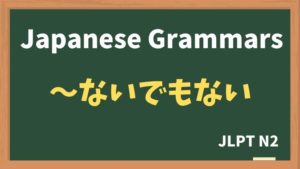
Explanation:〜ないことには
fa-check-circleMeaning
"まず〜しなければ・・・ない"
"unless"
Used to convey that unless a certain condition is met, something cannot happen or be achieved. It is similar to the English phrases "unless" or "without" and expresses the idea that the latter action or outcome is dependent on the first condition being fulfilled.
fa-check-circleForm
V(nai form) + ことには~ない
イAく + ないことには~ない
ナAで + ないことには~ない
Nで + ないことには~ない
fa-check-circlePoints
- Conditional Expression: It emphasizes that something cannot be done or achieved without meeting the specified condition.
- Often Used in Negative Sentences: The second clause usually states what will not happen if the first condition is not fulfilled.
fa-check-circleJLPT Level
N2
Sample sentenes
着てみないことには、似合うかどうかわかりません。
I cannot tell if it suits me unless I try it on.
部長が来ないことには、会議を始めることができません。
Without the department head coming, we can't start the meeting.
日本語が話せないことには、日本の会社で働くのは難しい。
It is difficult to find a job in a Japanese company without being able to speak Japanese.
実際に会ってみないことには、その人がどんな人かわかりらない。
You won't know what kind of person they are until you actually meet them.
A:このレストランのパスタ、とてもおいしいらしいよ。
B:へ〜。でも、実際に食べてみないことには、おいしいかどうかわからないよ。
A: I heard the pasta at this restaurant is really good.
B: Oh, really? But I can't say if it's good or not until I try it myself.
A:もしもし、パソコンの修理をお願いしたいのですが、いくらぐらいかかりますか。
B:申し訳ありませんが、一度見てみないことには、お答えできません。
A: Hello, I'd like to have my computer repaired. How much would it cost?
B: I'm sorry, but I can't give you an estimate without first inspecting the computer.
Vocabulary
| Japanese |
English | |
| 修理する | しゅうりする | to repair |