Contents
Explanation1:〜のに
fa-check-circleMeaning
"despite of the 〜"
Used to express contradiction or unexpected outcomes. It is often translated as "even though," "despite," or "although" and is used to convey a sense of disappointment, surprise, or irony when something does not go as expected.
fa-check-circleForm
V(plain form) + のに
イAい + のに
ナA + のに
N + なのに
Points
- Contradiction or Contrast: 〜のに is used to highlight that what follows is contrary to what would normally be expected based on the first part of the sentence.
- Expectation vs. Reality: This expression often implies that the speaker’s expectation or desire was not met.
- Emotional Nuance: It can carry feelings of frustration, disappointment, or surprise, especially when things didn’t go as one hoped.
fa-check-circleJLPT Level
N4
Sample sentenes
クッキーを 作ったのに 誰も 食べません。
No one ate the cookies despite the fact that I cooked it.
もう11時なのに、たくさんの 人が 電車にいました。
There are many people inside train despite being 11 o’clock already.
ゆうべ 早く 寝たのに まだ 眠いです。
I am still sleepy despite sleeping early yesterday.
薬を 飲んだのに 風邪が 治りません。
My cold isn’t cured yet despite having drank medicine already.
ジョンさんは 留学したことがないのに 日本語が 上手です。
John is good at Japanese despite not having studied abroad before.
この 会社は 給料が 安いのに 仕事が 大変です。
Despite the low salary, the work in this company is tough.
洗濯したのに、まだ汚いです。
I did the laundry but the clothes are still dirty.
がんばって勉強したのに、テストの点はよくなかったです。
The score is bad even though I studied hard.
全然、勉強しなかったのに、テストの点はよかったです。
I didn't study at all but my score in the exam is good.
ボタンを押したのに、ジュースが出てきません。
I pressed the button but the juice didn't go out.
エアコンをつけているのに、暑いです。
It is too hot even though I turned on the air conditioner.
毎日運動しているのに、やせません。
I'm not getting thinner even though i exercise everyday.
彼はカッコよくないのに、女の子にモテます。
He is popular among girls even though he is not handsome.
もう夜遅いのに、息子がまだ帰ってきません。
It is late at night but my son hasn't come home yet..
Explanation2:〜のに
fa-check-circleMeaning
Used to express purpose or utility. In this usage, 〜のに means "for" or "in order to," indicating that something is used or needed for a particular purpose. This sentence pattern is used with “つかいます”.
fa-check-circleForm
V(dictionary form) + のに
N + に
Points
- Purpose: This form of 〜のに describes what something is useful for or what it is intended to do.
- Noun Modification: It is often followed by a verb or noun describing the tool or item used for that purpose.
- Natural in Everyday Speech: This construction is common when talking about objects, tools, or actions used for a specific purpose.
fa-check-circleJLPT Level
N4
Sample sentences2
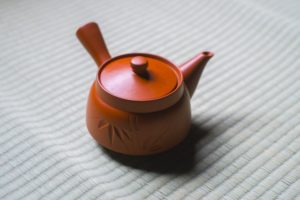
これは お茶を 入れるのに 使います。
This is used to make some tea.
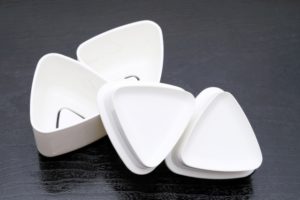
これは おにぎりを 作るのに 使います。
This is used to make onigiri.
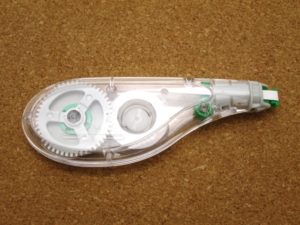
これは 間違いを 直すのに 使います。
This is used to correct a mistake in a letter.
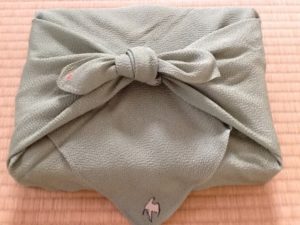
風呂敷は 物を 包むのに 使います。
Furoshiki is used to wrap things.
Explanation3:〜のに
fa-check-circleMeaning
This sentence pattern is used with “べんりです”, “ふべんです”, “いいです”, “わるいです” etc to evaluate things and places.
fa-check-circleForm
V(dictionary form) + のに
N + に
fa-check-circleJLPT Level
N4
Sample sentences3
この くつは 運動に いいです。
These shoes are good for exercise.
東京は 買い物に 便利です。
Tokyo is convenient for shopping.
この かばんは 大きいし 軽いし 旅行に 便利です。
This bag is big and light, so it is convenient for trips.
Skypeは 国の 家族と 連絡するのに 役に立ちます。
Skype is useful to contact my family who lives in my home country.
日本の アニメや 映画は 日本語を 勉強するのに 役に立ちます。
Japanese anime and movies are useful to study Japanese.
Vocabulary
| Japanese | English |
| まど | window |
| なおる | to get well |
| りゅうがく | study abroad |
| きゅうりょう | salary |
| じ | letter |
| つつむ | to wrap |
| かるい | light |
| うんどう | exercise |
| れんらくする | to contact |
| やくに たつ | to be useful |