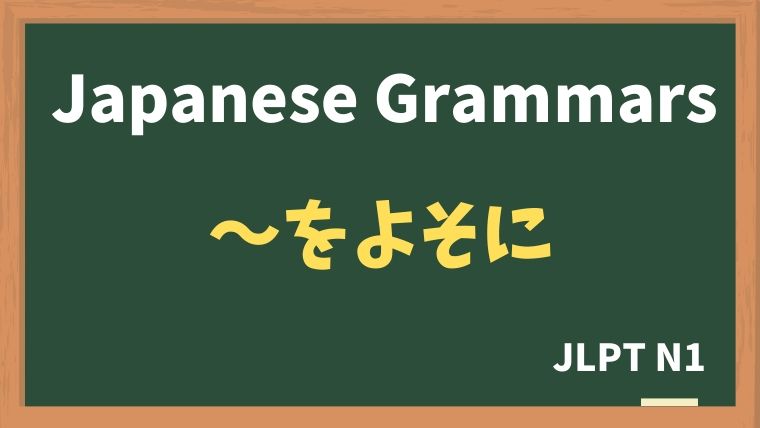
Explanation:〜をよそに
fa-check-circleMeaning
"〜を心配しないで / 〜を恐れないで / 〜に関係なく"
Used to indicate that someone is ignoring or acting independently of a particular concern, expectation, or circumstance. It often carries a nuance of disregarding what others think, or acting as if a particular situation or condition doesn’t matter. It can be translated into English as "despite," "in defiance of," or "without regard to."
fa-check-circleForm
N + をよそに
fa-check-circlePoints
- Disregarding: "〜をよそに" implies that someone is acting as though they are unaffected or indifferent to a certain expectation, situation, or opinion.
- Negative Connotation: It often has a negative or critical nuance, as it suggests that someone is ignoring something they should be paying attention to.
- Formal Usage: This phrase is more commonly used in formal or written language.
fa-check-circleJLPT Level
N1
fa-check-circleNote
よくないことを使われることが多いです。
Sample sentenes
彼は親の心配をよそに、毎日遊んでばかりいる。
Despite his parents' worries, he spends every day playing.
彼は両親の期待をよそに、医者になるのをやめてしまった。
In spite of his parents' expectations, he gave up becoming a doctor.
住民の不安をよそに、高層マンションの建設工事が始まった。
Regardless of the residents' concerns, construction of the high-rise apartment building began.
両親の反対をよそに、二人は結婚した。
Against their parents' wishes, they got married.
プレゼン前で緊張する私をよそに、後輩は居眠りしていた。
Even though I was nervous about my presentation, my junior was fast asleep.
上司の意見をよそに、自分のやり方を貫いた。
He stuck to his own method, ignoring his boss's opinion.
Vocabulary
| Japanese |
English | |
| 居眠りする | いねむりする | to doze |