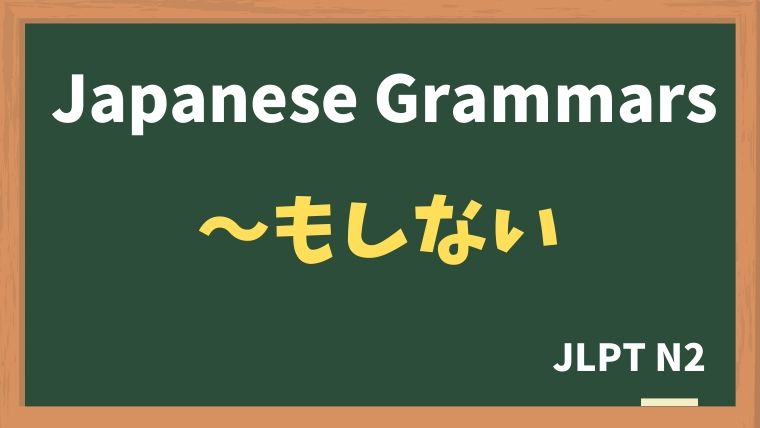
Explanation:〜もしない
fa-check-circleMeaning
"全然〜ない"
"not at all"
Used to express strong criticism or disappointment towards someone’s lack of action or effort. It implies that someone didn't even attempt to do something that they should have, often with a sense of disapproval or frustration.
fa-check-circleForm
V(masu form)ます + もしない
fa-check-circlePoints
- Criticism or Disappointment: "〜もしない" is typically used to criticize someone for not doing something that is expected or necessary.
- Emphasis on Lack of Effort: The phrase emphasizes that the person didn’t even try or make an attempt to do the action.
- Negative Connotation: This expression carries a negative tone, often showing frustration or disapproval.
fa-check-circleJLPT Level
N2
Sample sentenes
トムさんは話を聞きもしないで、ずっとスマホを触っている。
Tom is constantly on his phone and doesn't even listen when I'm talking.
自分で調べもしないで、「先生、わかりません」はダメです。わからないことがあったら、まず自分で調べてください。
Saying "I don't understand, teacher" without researching on your own is not acceptable. If there's something you don't understand, first try to look it up yourself.
食べもしないで、おいしいかどうかなんてわからないよ。
You can't tell if it's delicious without trying it.
あの日の事故は忘れもしない。
I will never forget the accident that happened that day.
マイケルさんに謝っているに、彼はこっちを見もしない。
I'm apologizing to Michael, but he's not even looking at me.
彼女は部屋を片付けもしないで、出かけてしまった。
She went out without even cleaning her room.
Vocabulary
| Japanese |
English | |
| 触る | さわる | to touch |
| 謝る | あやまる | to apologize |